




In society, we are constantly expected to navigate public spaces with a certain level of composure, waiting our turn in line, keeping our voices down, and respecting the personal space of others. And public transportation is one of the clearest examples of this shared social contract: crowded buses, bustling stops, and unpredictable schedules demand patience, awareness, and self-control from everyone on board.
Now imagine navigating that same environment with a service dog at your side.
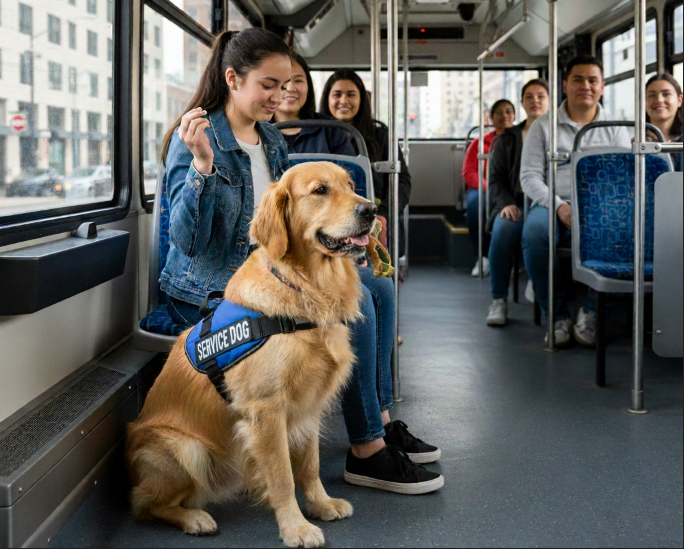
For service dog handlers, riding the bus presents a unique challenge! It’s not just about getting from one point to another but about ensuring the dog remains calm, focused, and under control in a space full of distractions. Proper training helps service dogs perform their tasks reliably while respecting the routines and comfort of other passengers.
In today’s
article, we’ll guide you through the steps on how to train your
service dog to ride the bus confidently and safely. We hope this will
make public transportation a positive and safe experience for both of
you and those around you!
What Are Service Dogs and Can They Really Ride the Bus?
Let’s begin with the clarification that service dogs aren’t just pets. They are dogs, individually trained to perform specific tasks for individuals with a disability.
Since service dogs are considered “medical equipment” and not pets or companion animals, they have special legal rights. These allow them to accompany their handlers in public spaces, including on buses, trains, and other forms of public transportation.
In countries like the US, federal laws such as the Americans with Disabilities Act (ADA) protect the rights of service dog teams in public. The ADA guarantees that handlers can bring their service dogs into public spaces without being charged extra or confined to pet areas.
There is an important point to keep in mind, though: service dogs must behave appropriately and always remain under control. If they misbehave, disrupt other people, or cause damage, they can be denied access to the premises or public transportation.
The ADA also outlines several exceptions, clarifying situations in which service dogs may not be allowed access.
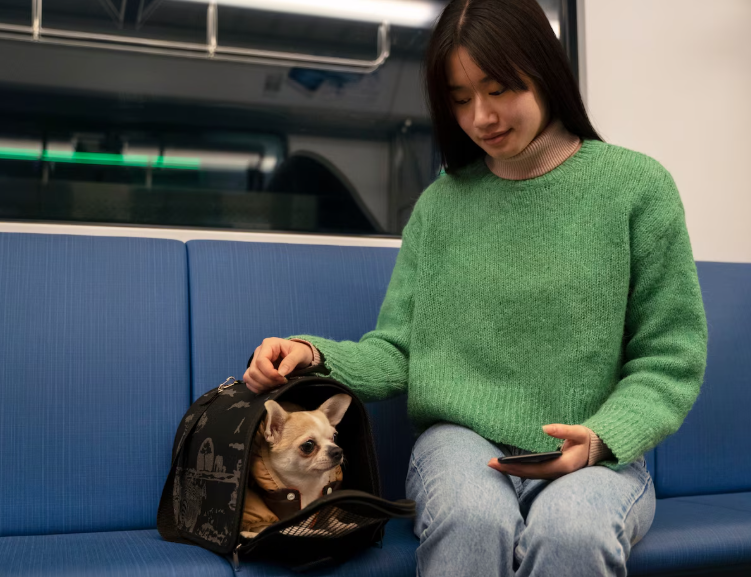
Things Your Service Dog Needs to Know Before Bus Training
Before you take your service dog onto a bus, it’s important that they have a solid foundation of basic skills. These are essential for helping them remain calm, focused, and well-behaved in a busy public setting.
Reliable Obedience: Key Commands
Your dog should respond consistently to commands such as “sit,” “stay,” “down,” and “heel” before visiting public places, especially crowded places like buses.
To ensure your dog can reliably respond to obedience cues, you need to extend your training sessions beyond your home. You will need to gradually expose your dog to environments with distractions, noise, or movement.
Once your dog learns to follow your cues in different situations, they will be much easier to handle on public transportation.
Socialization
We believe that proper socialization is essential for all dogs, whether pets or service dogs. Of course, in the context of service dog training, its importance becomes even greater!
Exposure to different people, animals, and environments helps dogs
become accustomed to various stimuli. Over time, they learn to remain
calm and polite around other animals and unfamiliar people of all
appearances.
Socialization also prepares dogs for crowded buses, busy bus stops, and situations where people may try to pet or distract them. Even when signs indicate a dog is working, some people cannot resist interacting with a furry companion, so it’s important for dogs to stay focused on their handler.
Focused Attention
Your dog must be able to maintain attention on you, even when there are distractions like other passengers, animals, noises, smells. This level of focus ensures they can respond promptly to your cues and stay safe in a crowded or unpredictable environment.
To build your dog’s ability to stay focused, you should practice in environments that become gradually more distracting. It’s best to start in quiet places like your backyard, calm streets, or pet friendly parks during less busy hours, then slowly introduce busier areas with more distractions. Don’t hesitate to take a step back and reduce the level of distraction if you notice your dog becoming agitated! The same applies in the opposite direction- if your dog is a quick learner and adapts easily to new environments, you can increase the training pace based on how well they respond.
It’s important to reward your furry friend consistently for maintaining focus, and use short and clear cues to reinforce desired behaviors. A dog that stays engaged with their handler can perform service tasks more reliably in real world situations than a dog who easily loses focus.
Task Training
A service dog must be able to perform the trained specific tasks that help mitigate their handler’s disability in all types of surroundings. It’s essential that they are consistent and reliable in their performance, especially in public.
Whether they assist someone with mobility challenges, visual impairments, mental health issues, developmental conditions, or medical episodes such as high or low blood sugar, service dogs need to perform their tasks calmly and on cue, even in distracting environments.
Riding the bus introduces specific challenges, including constant motion, sudden bumps in the road, and very limited space. Because of this, a service dog should already feel confident performing their tasks in a wide range of situations before they are introduced to bus travel.
It’s highly recommended to practice these tasks in various public settings prior to bus rides. Try working in quieter parks, low-traffic shopping zones, or on public sidewalks. These training sessions will teach your dog that their tasks are required everywhere, not just within the familiar home environment.
As your paw companion becomes comfortable and focused on their work in new settings, the transition to public transportation will be significantly smoother for both of you.
Maintaining Calm Behavior
A service dog must be comfortable navigating confined spaces and maintaining composure around other animals, people, and the typical noises of public transportation, such as air brakes or announcements. A dog that remains calm naturally helps both the handler and other passengers feel more at ease throughout the trip.
These foundational skills are key components of successful public access training. When your dog demonstrates mastery of this behavior, they are much better equipped to manage the specific challenges of riding a bus. This, in turn, ensures a safer and more comfortable experience for everyone involved.
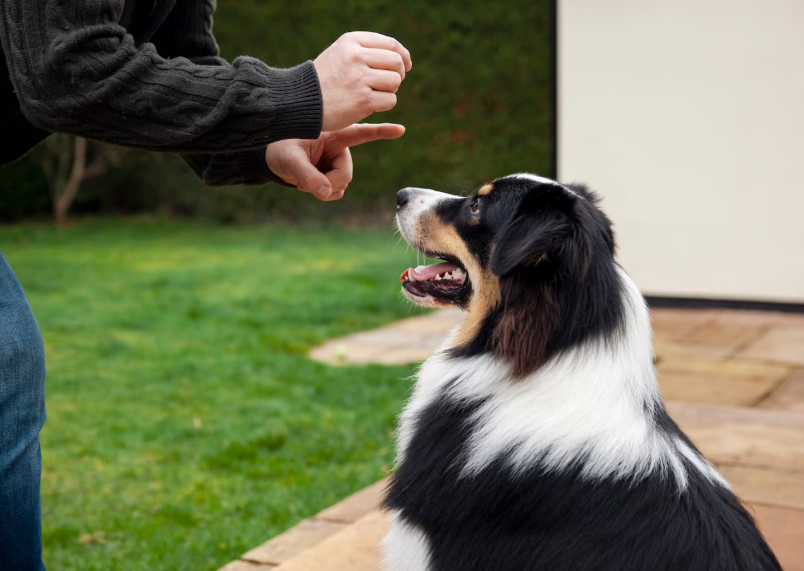
Assess Your Dog’s Readiness
Before you introduce bus rides, take a moment to honestly assess how comfortable and steady your dog is in everyday public situations. A dog who is ready for this next step will respond to your cues the first time you give them, stay relaxed around strangers and animals, and handle noises or sudden movement without becoming tense or overstimulated.
It’s important to observe how your dog behaves during regular outings. If they can walk calmly through a busy area, settle beside you without fuss, and recover quickly from sudden loud noises, these are good signs they are ready for bus training.
On the other hand, if your dog still gets distracted easily, pulls toward people or other dogs, startles at loud sounds, or needs frequent reminders to stay focused, it is better to strengthen those skills first.
We recommend that you take the time to build your dog’s confidence and control in simpler settings before transitioning to bus rides. This preparation will make riding a crowded, moving bus much easier and help both you and your dog feel more comfortable when you start practicing real trips.
How to Prepare for the Bus Ride: Step-by-Step Training Process
The best way to train your service dog to ride the bus is through gradual exposure and clear, structured steps that build confidence, reliability, and focus. Breaking the process into manageable stages helps both you and your paw companion have a positive experience and succeed in training.
Proper preparation is also essential before stepping onto a bus. This involves choosing the right equipment, practicing key skills in safe environments, and gradually introducing your dog to bus-like situations.
Choosing the Right Equipment
We recommend using a well-fitting harness that gives you control without restricting your dog’s movement. A short leash will also help you keep your paw friend close in the tight space of a bus aisle.
If your dog wears a service dog vest (for a trained dog or dog in training), make sure it is clean and fits properly.
You may also want to bring some water, a few high value treats, and waste bags. Having everything you need ready ahead of time will make the whole trip smoother and prevent any last minute stress during the ride.
Acclimation to Movement and Noise
Start by introducing your dog to a stationary bus or a bus-like simulation. This could be a parked bus, a mock setup at home, or even short car rides to mimic the sensation of movement.
As a next step, you should pair these experiences with positive reinforcement, such as treats, praise, and petting. The goal is for your dog to associate the sights, sounds, and motion with calm behavior and reward, rather than stress or excitement.
If your dog becomes agitated, wait for them to relax, then praise and reward them right away. In the early stages of training, consider using high-value treats such as chicken or turkey bits for extra motivation. While your dog should not rely on food in the long run and high-value treats should be phased out gradually, you can use them as an extra positive reinforcement tool when needed.
Planning the Trip
Before boarding, check the bus schedule and select a time when the bus is likely to be less crowded.
This will reduce stress for both you and your dog, especially in the early training stages, and help you have a smoother and positive first experience. If possible, choose routes with shorter rides for the initial trips, to give your dog the chance to acclimate without becoming overwhelmed.
Practicing Boarding and Exiting
Teaching your dog to board and exit calmly is essential. You should begin by having your canine wait patiently off the bus until you give a clear cue to step on. Remember to reinforce calm behavior consistently.
Once on board, ensure your paw companion steps into position without pulling, jumping, or crowding other passengers. Practice exiting in the same way, by waiting calmly, stepping down carefully, and encouraging your dog to follow your lead.
Repetition and positive reinforcement at this stage will help your dog learn the routines and expectations of bus travel.
Staying Calm During the Ride
Once your furry friend can board and exit calmly, you should begin focusing on maintaining composure during the ride itself. Teaching commands such as “sit,” “down,” or “stay” in a moving environment is an important part of the process.
You should gradually increase the level of distraction, including other passengers, noises, and the movements typical of a bus. Continue to reward your dog for displaying calm behavior with treats or praise, since this reinforces the idea that staying settled is the desired response.
Start with short trips, then increase the duration as your dog gains confidence.
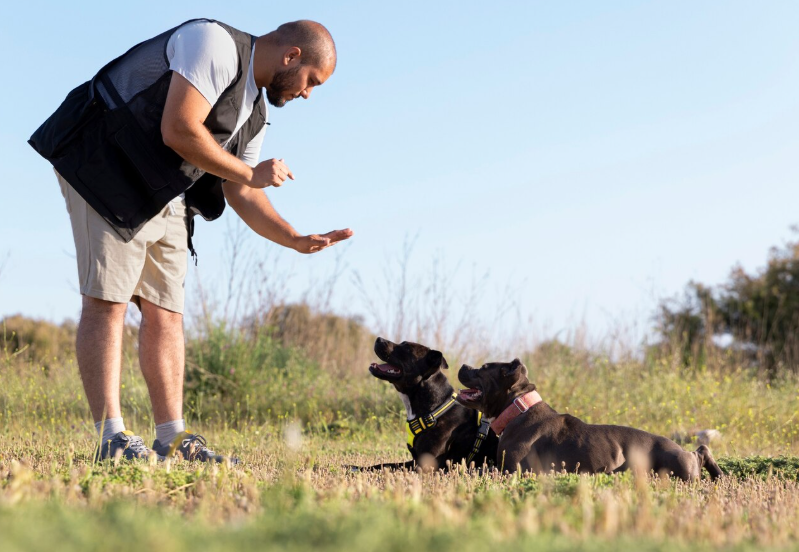
Advanced Skills
Once your dog becomes confident with the basics, it is time to introduce more advanced behaviors that help them handle real bus rides with ease.
Staying Close to the Handler
Strengthen your dog’s ability to stay at your side or settle at your feet throughout the entire ride. You should practice during moments when people walk past, when the driver brakes suddenly, or when the bus shifts around corners.
This will teach your dog to stay anchored and steady no matter what is happening.
Ignoring Distractions
It’s essential to teach your dog to keep their attention on you even when someone offers food, tries to pet them, or talks to them. You can practice this by setting up controlled situations with friends or family who act as “strangers” and rewarding your paw friend each time they choose to stay focused instead of engaging.
Remember to reward your dog only when they show the behavior you want, not as a way to calm them down when they are misbehaving.
Responding Under Pressure
Once your dog responds well in quieter settings, you can start practicing commands during busier times or with more movement around them. This includes but is not limited to crowded stops, louder environments, and short rides during peak hours.
The goal is to help your dog stay calm, listen to you, and make
good choices even when things feel hectic.
By gradually building these skills, you help your paw companion learn how to ride the bus but do so with confidence and reliability!
Mental Preparation for You and Your Dog
Last but not least, remember that your own calmness sets the tone for your dog.
Plan enough time to board without rushing, maintain a calm voice, and reinforce your dog’s behavior with treats and praise as appropriate. Confidence and consistency from the handler are just as important as preparation for the dog.
Common Challenges and How to Handle Them
Handlers are likely to encounter a few bumps along the way when training their dogs for public transportation. For example, anxiety, barking, or jumping can appear when a dog feels unsure or overwhelmed, especially when buses are noisy or crowded. If this happens, it’s important to take a step back and return to an easier stage of the training to give your dog time to regain confidence and settle.
Overexcitement or pulling can also occur when your canine is eager to look around or greet people, which is common in young or social dogs. If you have a Golden Retriever, you probably understand that perfectly! Consistent redirection, paired with rewards for calm walking, helps reinforce the behavior you want and teaches your dog what to do instead of pulling.
When working on the areas that need improvement, you should pay close attention to what triggers the reaction. It might be the sound of brakes, sudden movement, or a person standing too close.
Understanding the specific trigger helps you work on it gradually, by exposing your dog to that challenge in small, manageable steps. The process of gradually exposing a dog to stimuli in the environment starting at a low level of intensity is known as desensitization.
Combined with positive reinforcement, this approach will help your dog build confidence and learn a more appropriate response over time. The process of using positive reinforcement such as food and praise to change the dog’s emotional response to stimuli is known as counter-conditioning.
Training a service dog for bus travel requires patience, clear steps, and consistent practice. By moving at a pace that is comfortable for both you and your dog, you create a strong foundation for safe and reliable public access skills.