



Small, affectionate, and funny, pugs make instant friends wherever they go, but can they perform the specific tasks required of service dogs? Read on to learn which service roles pugs can realistically fill, what training and care they need, and how to decide if a pug is the right partner for your needs.
What Are Service Dogs?
A service dog is a dog that has been individually trained to perform one or more specific tasks that directly mitigate a person’s disability, and that does so reliably in public and private settings. Service dogs perform work or tasks like retrieving objects, alerting to medical events, interrupting repetitive behaviors, or using their paws to alert to specific sounds that a disabled user or a handler may need. The key legal and functional distinction from emotional support animals is that service dogs perform trained, disability-related tasks and must demonstrate dependable, task-focused behavior in everyday environments.
Temperament Requirements for a Service Dog
A service dog must combine calmness under distraction, strong focus on tasks, high trainability, emotional stability, confidence in public, and a low likelihood of reactivity or nuisance behaviors. A good service dog should tolerate handling, crowds, and novel environments without stress, respond reliably to cues, and remain task-oriented even when tempted or startled.
Physically, a service dog needs sufficient stamina and robustness for its assigned tasks. Trainers and organizations screen for problem-solving ability, low fearfulness, and dedicated social interest in humans. Dogs that are easily distracted, excessively vocal, or easily provoked are typically unsuitable. Although extensive training and understanding of the dog’s growth can help shape a seemingly unruly dog into an obedient and resilient service dog partner.
Breed and size matter only insofar as they match the task requirements. A dog used for medical scent detection or sound-alert work must be alert and attentive, while mobility dogs need strength and steadiness. Temperament testing and staged training filter candidates so only dogs with the required behavioral profile graduate to work as service dogs.
The Pug Breed-Specific Qualities for Service Work
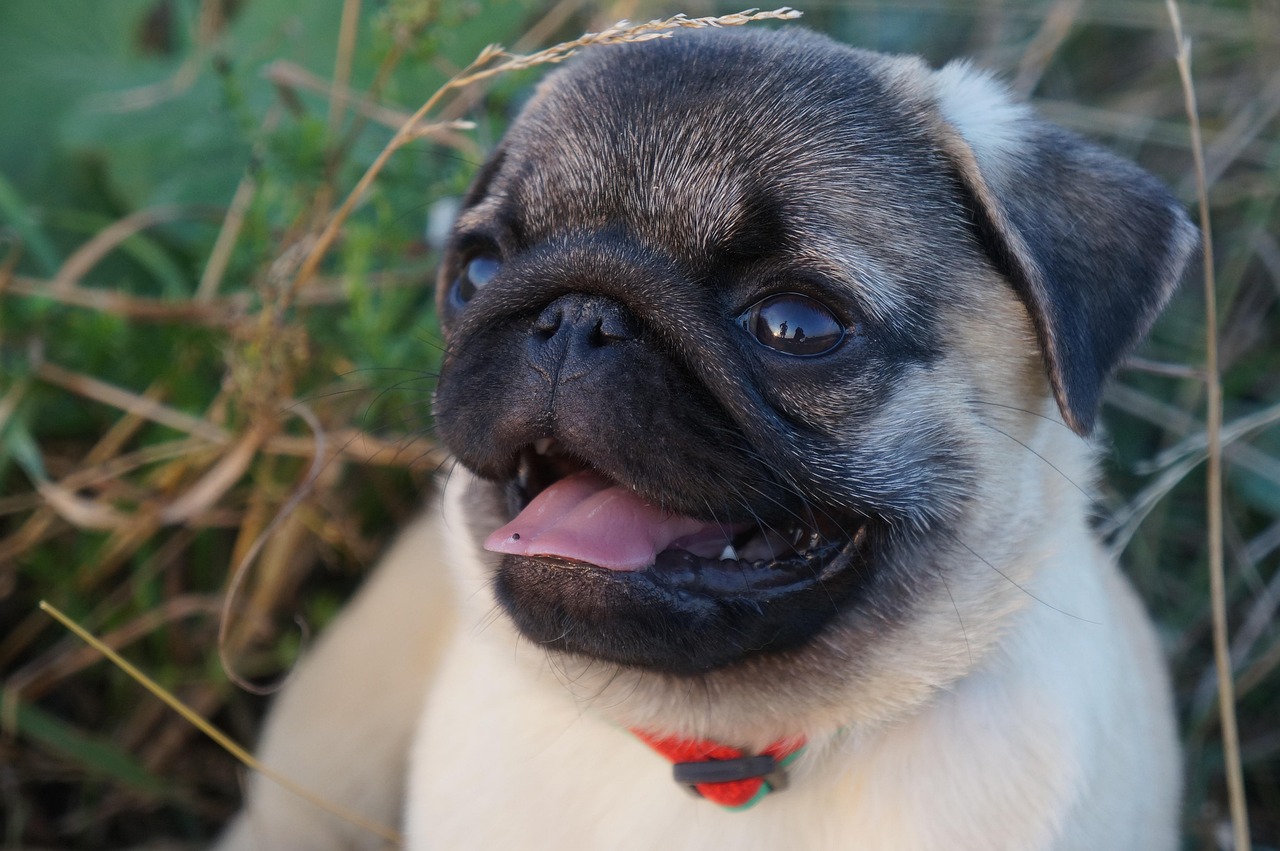
Pugs are small, friendly dogs that were bred to be close companions to people. They tend to be very people-focused, enjoying being near their owners and responding well to attention. This makes them good at jobs that need calm companionship and quick recognition of human emotions. Pugs are social, affectionate, and usually comfortable around strangers and new environments, which helps them stay calm during visits to hospitals, schools, or care homes. Their small size also makes them easy to carry or transport and less intimidating to children or people who are nervous around large dogs.
Pugs learn best with positive, reward-based training. They respond to praise, treats, and consistent routines, but they can also be a bit stubborn. Trainers should be patient and use short, fun sessions so their Pug students stay interested. Since they naturally enjoy being close to people, Pugs can pick up tasks that involve body contact, nudging, or sitting on laps to offer comfort.
A major limitation is their brachycephalic (short-nosed) anatomy. Pugs have flat faces and shortened airways, which can cause breathing problems, overheating, and reduced stamina. This means Pugs are not good for tasks that require long periods of vigorous activity, like running, pulling, carrying items, or being outdoors in hot weather. Their eyes are large and more likely to be injured, and their skin folds need regular cleaning to avoid infections. Weight control is important because extra weight makes breathing issues worse.
Overall, Pugs are best for service tasks that use their social nature, calm presence, and small size. They fit well in indoor, quiet, or controlled environments where frequent rest and veterinary care are possible. Their affectionate temperament and comfort with human contact make them strong candidates for emotional and psychiatric support roles, while their breathing and health limits rule them out of physically demanding service jobs.
Service Dog Roles a Pug Can Fulfill
Pugs are most effective in service roles that rely on emotional support, close contact, and alerting rather than heavy physical tasks. One of the most suitable roles for a Pug is as a psychiatric service dog. In this role, a Pug can learn specific tasks to help someone with conditions like panic disorder, PTSD, or severe anxiety. Examples of useful tasks include providing deep pressure by leaning or sitting on a person to reduce panic, offering tactile stimulation (nudge or paw) to interrupt dissociation or obsessive thoughts, and performing trained behaviors that remind the handler to use coping strategies or take medication. Because Pugs naturally like to be near people, these tasks often fit their instincts well.
Pugs also make excellent therapy dogs and are commonly used for visits in hospitals, nursing homes, schools, and libraries. As therapy animals, they offer calm companionship, comfort, and friendly interaction to many people during short visits. Their small size makes them approachable for children and older adults, and their calm, people-oriented nature helps reduce stress and loneliness in group settings.
For alerting tasks, Pugs can be trained to notice changes in a handler’s behavior and respond by nudging, barking softly, or fetching an item. They can carry or retrieve small, lightweight objects but are not suited to retrieve heavy items or provide physical balance support. Seizure alert and response work is possible for some individual Pugs if they show the right sensitivity and a veterinarian and trainer agree it’s safe. More complex seizure response tasks that require physical intervention are usually not appropriate because of the Pug’s fragility.
In short, Pugs work best in roles centered on emotional regulation, close physical comfort, simple alerts, and therapy visits. These roles take advantage of a Pug’s affectionate temperament and small size while avoiding heavy physical demands and long periods of strenuous activity that would strain their health.