




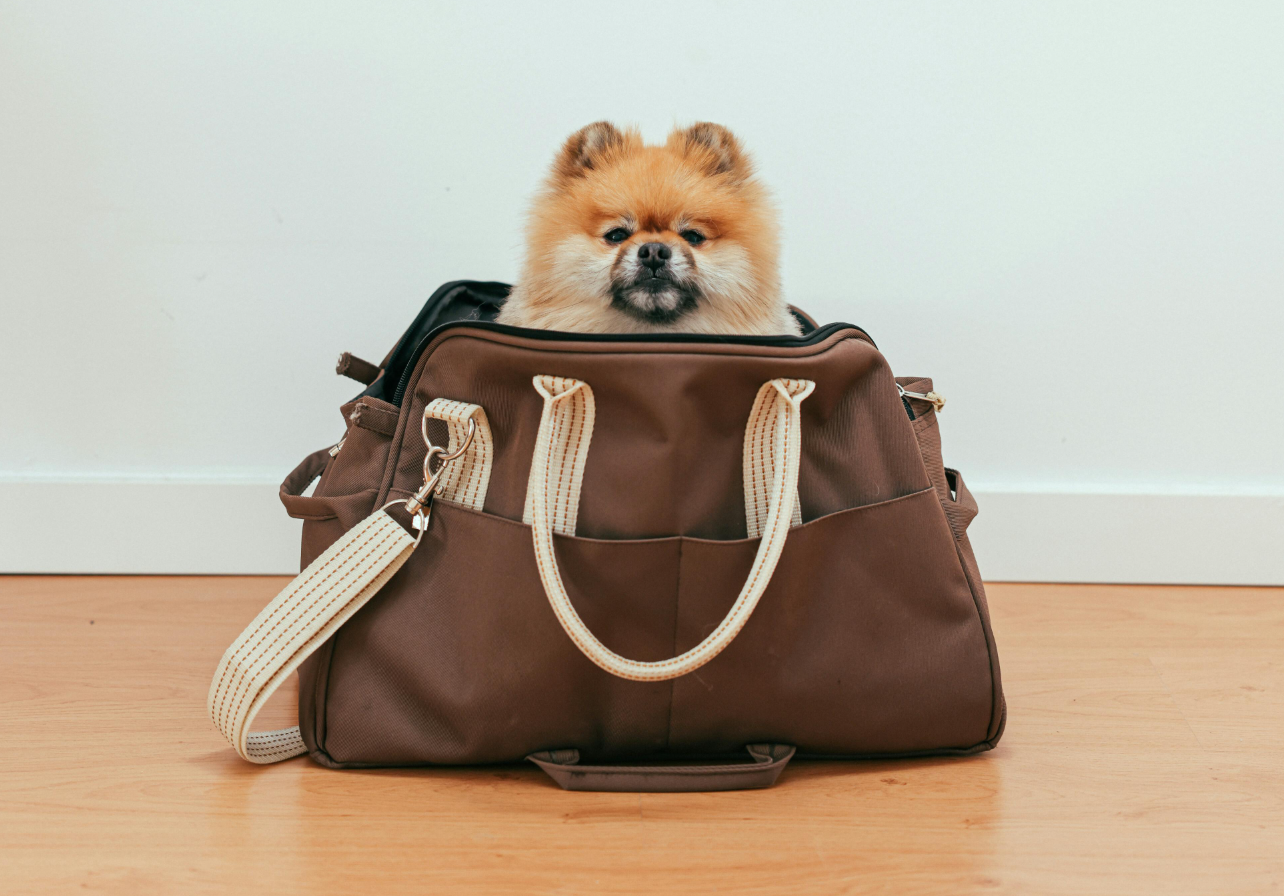
You may have seen people carrying white fluff balls in their bags around, and you might have recognized the dogs inside to be the loving Pomeranians. These dogs are famous for their wide variety of coats, their "fox face" (some call it "teddy bear" face), and their loving personalities. The Poms have been called the world’s most ideal companion, and they have been seen keeping company with royals and commoners alike. Many dog trainers favor the breed for its high intelligence, high energy, and endearing enthusiasm for agility runs, rally competitions, obedience, and therapy work. However, you might be wondering – can Poms be service dogs?
What Are Service Dogs?
A service dog is a dog that has been individually trained to perform one or more specific tasks that directly mitigate a person’s disability, and that does so reliably in public and private settings. Service dogs perform work or tasks like retrieving objects, alerting to medical events, interrupting repetitive behaviors, or using their paws to alert to specific sounds that a disabled user or a handler may need. The key legal and functional distinction from emotional support animals is that service dogs perform trained, disability-related tasks and must demonstrate dependable, task-focused behavior in everyday environments.
Temperament Requirements for a Service Dog
A service dog must combine calmness under distraction, strong focus on tasks, high trainability, emotional stability, confidence in public, and a low likelihood of reactivity or nuisance behaviors. A good service dog should tolerate handling, crowds, and novel environments without stress, respond reliably to cues, and remain task-oriented even when tempted or startled.
Physically, a service dog needs sufficient stamina and robustness for its assigned tasks. Trainers and organizations screen for problem-solving ability, low fearfulness, and dedicated social interest in humans. Dogs that are overly distractible, excessively vocal, or easily provoked are typically unsuitable. Although extensive training and understanding of the dog’s growth can help shape a seemingly unruly dog into an obedient and resilient service dog partner.
Breed and size matter only insofar as they match the task requirements. A dog used for medical scent detection or sound-alert work must be alert and attentive, while mobility dogs need strength and steadiness. Temperament testing and staged training filter candidates so only dogs with the required behavioral profile graduate to work as service dogs.
Pomeranian Breed-Specific Qualities for Service Work
Pomeranians bring several breed-specific traits that can be advantageous for particular service roles. Their quick learning ability, strong human bonding, affectionate behavior, keen alertness to sounds and environmental changes, and portability due to their small size make them great choices for disabled individuals who prioritize intelligence, affection, and alertness.
Their acute sense of smell and close-contact positioning when carried make them effective at medical-alert tasks such as detecting hypoglycemia or subtle scent changes before seizures. Their natural vigilance and responsiveness suit sound-alert roles for deaf or hard-of-hearing handlers.
If you have a Pomeranian that you wish to train to work as a Diabetic Alert Service Dog or maybe a Seizure Alert Service Dog, our platform may be a good fit for you.
Pomeranians tend to be vocal and energetic, and their fragility and limited physical strength rule them out for mobility or heavy-bracing tasks. Many service dog programs hand-select and temperament-test puppies. Pomeranians with unusually steady, low-reactivity temperaments and excellent impulse control are good candidates for service training. With careful socialization and focused training, the Pomeranian’s intelligence, adaptability, and compact size can be utilized for specialized assistance roles.
Service Dog Roles a Pomeranian Can Fulfill
Poms excel in assistance roles that rely on scent detection, sound-alerting, medical alerts, psychiatric support, and small-item retrieval rather than physical support. Practical roles include diabetic alert, seizure-alert or seizure-response, hearing-alert, psychiatric service tasks (grounding, tactile stimulation, interrupting panic behaviors, providing lap-pressure when appropriate), and fetching or retrieving light objects and medication.
They can also function as therapy or emotional-support companions in controlled settings, but only become true service dogs when trained to perform and reliably repeat disability-related tasks in public. The handlers and trainers should choose tasks that match the Pom’s size, temperament, and strengths and ensure their furry partners are not afraid of public spaces, traffic, and passersby.